

Confessions of a Fine Art Appraisal Specialist
On the treasures, trinkets, and trash that taught me how to see

For as long as I can remember, I’ve self-identified as a magpie. As a toddler, my favorite pastime was sitting on the floor with my beloved granny, draping myself in her collection of costume jewelry (or “pretties,” as I called them) while she taught me words like cloisonne and cameo.
Even as a broke student hostel-hopping around Europe, I always managed to bring home little artifacts from my travels: postcards, prints, and the pièce de résistance - a hand-engraved mirror that I bought from a man off the back of his motorbike in Marrakech.
As a recent college graduate, art history degree in-hand, I dreamed of working in a museum, auction house, or gallery. When I finally got an offer to work for a fine art appraiser, I was over the moon.
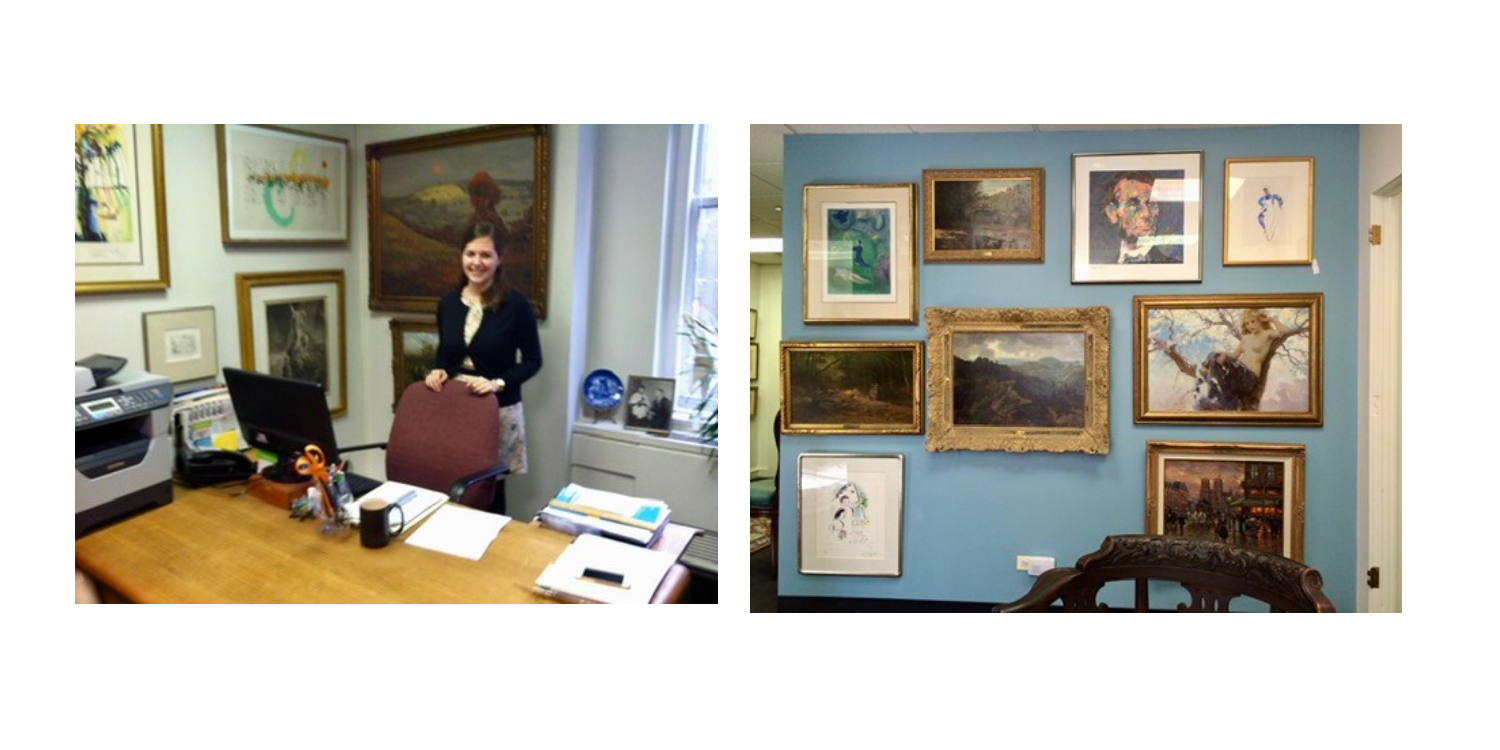
While that job left much to be desired - a living wage, PTO, a nontoxic work environment - it was also a masterclass in training my eye, honing my taste and developing a sixth sense for value. Everything that I learned during my tenure - from how to use a loupe to how to scour the market for comparables - informs how I source art and objects today.
Keep reading for my field notes from years spent appraising other people’s treasures, trinkets and trash.
As it turns out, the art of appraisal is less about knowing all the answers - and more about asking the right questions.
On medium
Virtually every appraisal begins the same way: with a visual inspection of the object or artwork at hand. During my tenure, a tape measure, a camera and a loupe were never more than arms’ reach away.
On my very first day, I learned how to use a loupe - a small, portable magnifier - to distinguish between original paintings and prints. A client had brought in what she believed to be an oil painting, which she’d found stashed in a closet at her great-aunt’s house. She wanted to understand whether it was of any significant value.
As I took measurements and snapped photos, I sensed something familiar about the artwork - like I’d seen it before. As I used a 10x loupe to inspect the surface of the canvas, I saw a pattern of repeating dots beneath several layers of heavy varnish.
That visual inspection confirmed what I’d suspected: the painting was not actually a painting at all. Instead, it was a print on canvas, varnished to appear more like an oil painting.
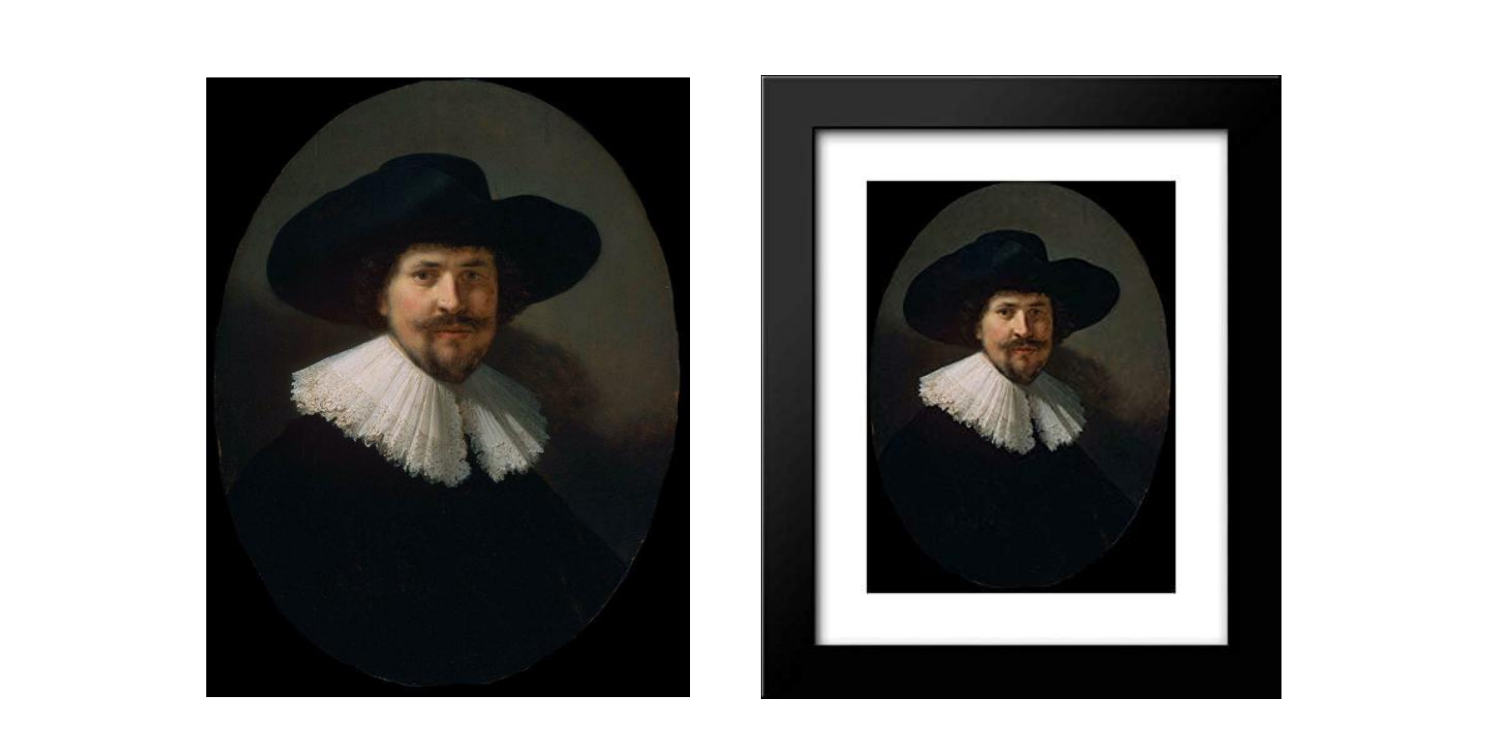
A quick Google image search later revealed that it was a print of Rembrandt’s Portrait of a Man Wearing a Black Hat. Unfortunately for our client, the print itself was virtually worthless (though its heavy period frame was still worth a few hundred dollars).
These days, the market is flooded with prints on canvas masquerading as original paintings, with price tags to match. That’s why I rarely visit an estate sale or a consignment store without my trusty loupe (and my tape measure too).
On condition
You haven’t really lived until you’ve sorted through piles and piles of mildewed prints of buxom babes by 1980s artist, illustrator and Playboy contributor Patrick Nagel.

The client told me that he’d purchased these prints as an investment decades ago, and I had the unpleasant task of telling him that they were hardly worth the paper they were printed on today - especially given their current unframed, water damaged condition.
While the Nagels were an extreme example, I worked with many artworks in poor condition: a pastel on board that was fragile enough to crack just by looking at it, prints that were yellowed and stained after decades spent in acidic mats, and a lovely little oil painting that a client had accidentally put her heel through as it sat on the floor, waiting to be hung.
That’s why I’m a stickler for how I care for my own art collection today, and have my framer practically on speed dial. A frame with acid-free matting and UV protective glass goes a long way towards protecting an otherwise fragile piece of art from the elements.
On attribution & authenticity
I once worked with a kind middle-aged man who fancied himself a true connoisseur, convinced that he could spot an authentic blue chip artwork hiding among hundreds of fakes on eBay.
When he brought his newest acquisition into the office - a line drawing attributed to Paul Klee that he’d scored for a mere $500 - I suspected he’d committed a cardinal sin of collecting art: mistaking attribution for authenticity.

Weeks later, we received confirmation from the Paul Klee Foundation, the definitive arbiter of authenticity for Klee’s works: this work was “in the style of” Paul Klee, but not an authentic work by Klee’s own hand. Luckily, the collector was only briefly devastated - and just a month or two later, called to rave about his latest find.
For most artworks - including most prints, decorative pieces and works by lesser-known artists - formal authentication isn’t necessary or expected, even for insurance purposes. But for blue chip artists, whose works are frequently forged, attribution alone won’t cut it - and formal authentication is essential.
On provenance
Provenance is a critical piece of the authenticity puzzle. Think of an artwork’s provenance as its chain of custody: a documented, defensible history of who’s owned it since it left the artist’s possession.
Another client came to the office with a set of photographs by Alfred Eisenstaedt, famed for his iconic photo of V-J Day in Times Square and other Life magazine captures that frequently sell for tens of thousands of dollars. Naturally, my first question was about provenance: where did these photos come from?
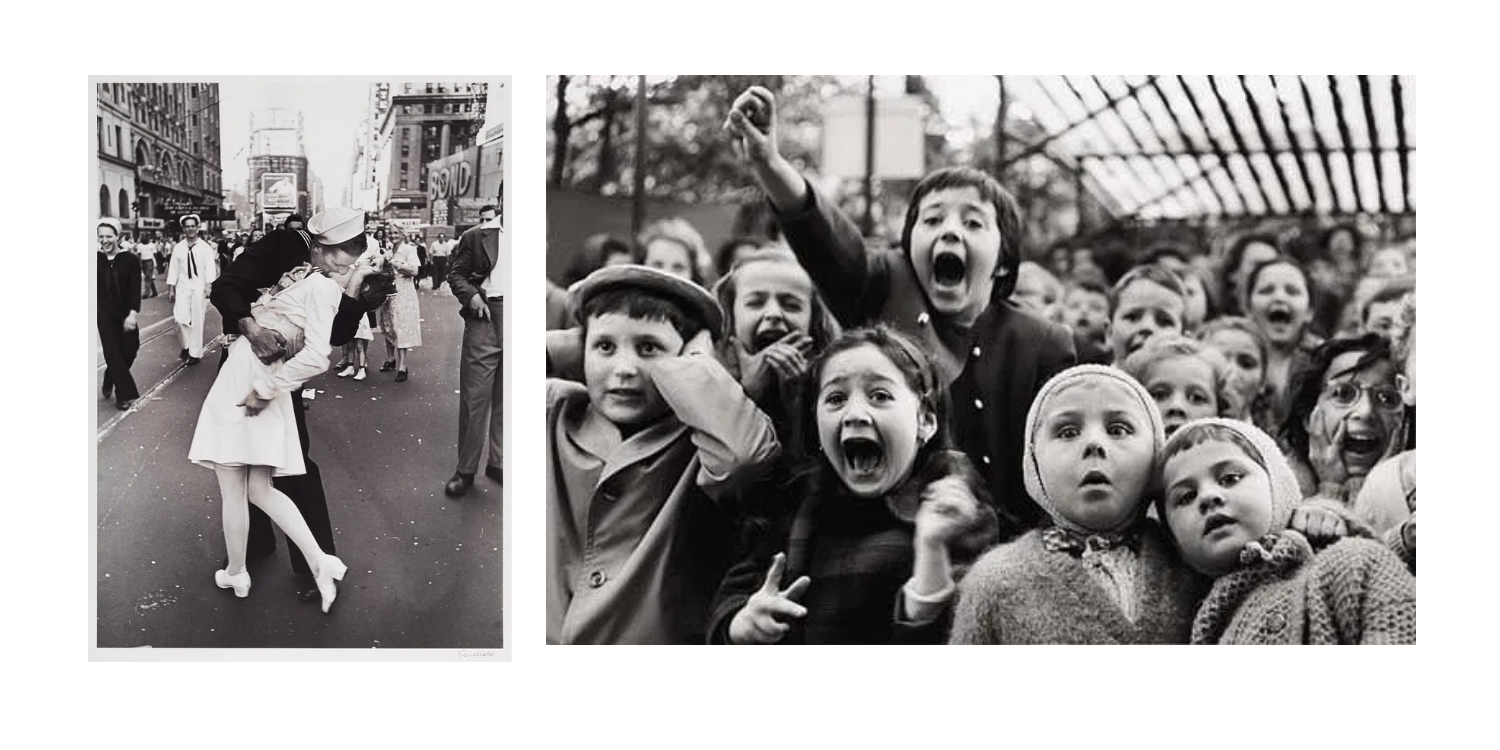
I learned that the client’s father had been a European airline executive in the 1970s and 1980s who had befriended Eisenstaedt on one of his many trips to Europe on assignment for Life. Eisenstaedt had personally gifted a number of silver gelatin prints, stamped with his studio’s mark, to the executive over the years, often accompanied with handwritten, signed notes.
This provenance paper trail - complete with correspondence signed by the artist - made my job considerably easier. And while most works won’t come with such a tidy story, this example underscores the importance of holding on to documentation: gallery or auction labels, receipts, correspondence, or exhibition stickers on the back of a frame.
On comparables
I’m often asked whether working as an appraiser is anything like how it’s portrayed on Antiques Roadshow. The disappointing but honest answer? No, not really.
Why? Because Antiques Roadshow obscures the unglamorous reality that a credible, defensible appraisal - one that can hold up in an insurance claim or a legal case - is based on detailed market research, not an appraiser’s in-the-moment assessment.
Finding the right comparables for an original artwork is a delicate dance, and depends on what type of value you’re looking for: fair market value (sale price in an open market; auction hammer prices are a good proxy) or retail replacement value (what you would pay to buy a comparable artwork in a gallery setting, and what you’d want to insure it for).
I spent hours poring through auction records and gallery listings to find the right comps for a single artwork. The holy grail was at least 3 comparables per piece: same artist, same medium, similar dimensions, similar condition.
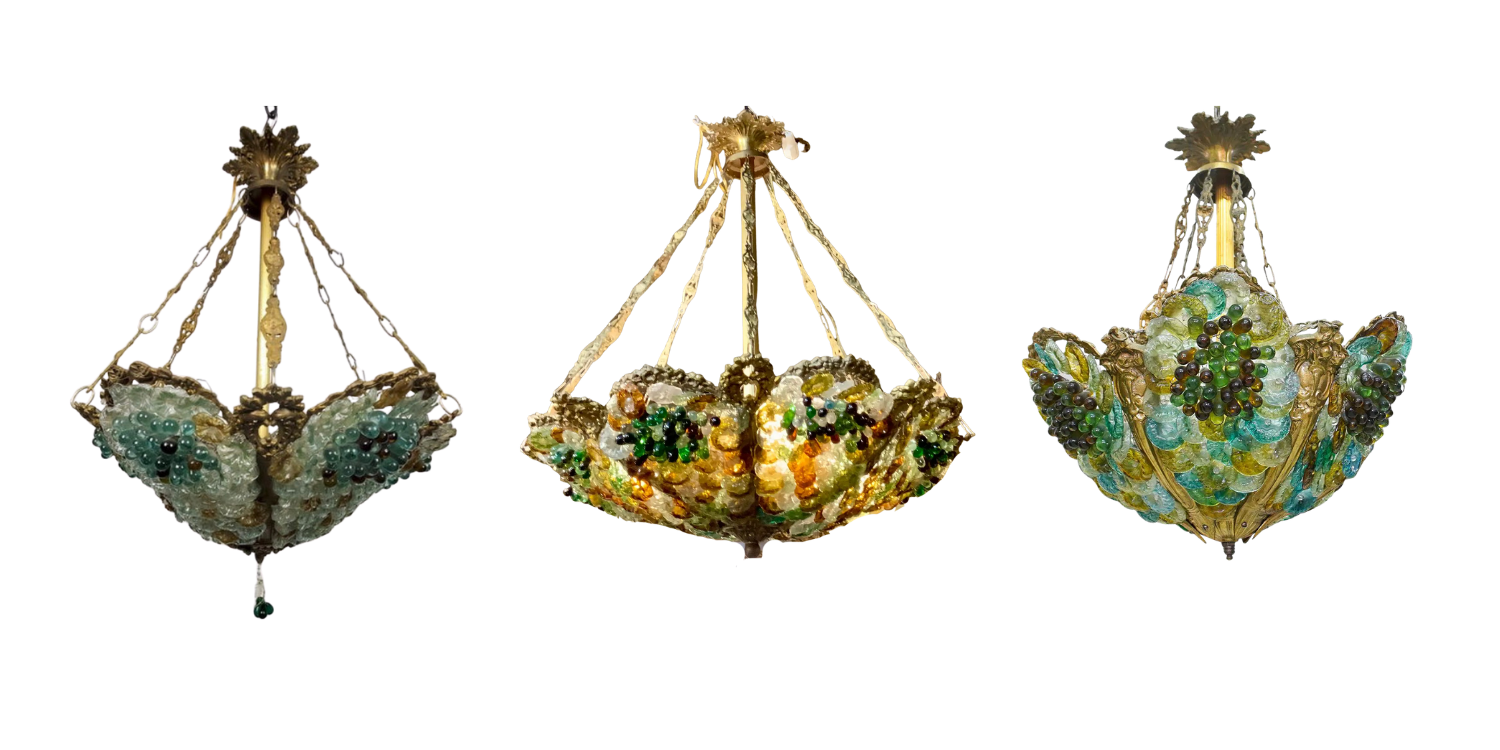
Though I’m no longer writing appraisal reports, I still use this same strategy today when buying art and furniture at auction: I research my comps ahead of time and use them to inform my own max bid strategy. This discipline ensures I’m not overpaying.
On the je ne sais quoi that makes an artwork sing
The work of an appraiser may be part art, part science - but the technicalities can sometimes obscure the magic of uncovering an artwork’s backstory.
I’ll never forget the day that a client floated into our office with a large frame swaddled in a blanket in her arms. Her uncle had been a world-famous boxer, and after his passing, she’d discovered an artwork tucked away in a closet.
As we peeled the blanket away, a poignant scene came into view: an expertly-rendered pastel of a young boy, maybe 5 or 6 years old, in boxing gloves, practicing his right hook in front of a poster of the client’s uncle.
I still remember the charming details: the way the boy’s full cheeks drooped, rosy with exertion; his gaze intent as he mimicked his hero’s pose; and the fraying fabric at his elbow that suggested that boxing practice was a frequent pastime.
Though the work was quite valuable - another pastel by the same artist now resides in the National Portrait Gallery in Washington D.C. - I breathed a sigh of relief when the client told us that she’d decided to keep it, rather than offer it up for sale. As it turns out, some treasures are worth more than any comparable could capture.